



The mutual fund industry in India is clearly shifting towards broader participation, and recent numbers reflect that change.
As of March 2026, retail investors now contribute a significant portion of the industry’s AUM, crossing ₹20 lakh crore and forming over 26% of the total assets. At the same time, HNI investors continue to hold a larger share, with over ₹26 lakh crore, contributing around 33% of the total industry AUM, which stands above ₹79 lakh crore - as highlighted by recent industry data from Cafemutual.
This shift highlights an important reality for Mutual Fund Distributors (MFDs): You are no longer managing just high-value clients; you are now managing high-volume + high-value portfolios together. And that changes how your business needs to operate.
Does More Retail Investors Mean More Operational Complexity?
Retail growth does not just increase AUM, it increases workload. Unlike HNI clients, retail investors typically require:
â— more frequent communication
â— more handholding
â— smaller but consistent investments (SIPs)
â— regular follow-ups
This means MFDs are not just managing investments — they are managing scale.
For example:
â— 1 HNI client vs 100 retail clients
â— Similar AUM, but very different effort
Without the right systems, this becomes difficult to handle.
Why This Data Matters in Daily MFD Operations
This is not just industry data, it directly impacts how MFDs work every day.
More retail investors means:
â— more SIPs to track
â— more transactions to manage
â— more follow-ups required
â— higher service expectations
At the same time, HNI clients still expect:
â— detailed portfolio discussions
â— better reporting
â— faster responses
So MFDs today need to balance efficiency + personalization.
Why Traditional Methods No Longer Work
Many MFDs still rely on:
â— Excel sheets
â— Basic software
â— manual tracking
â— multiple disconnected tools
But as client volume increases, this creates issues:
â— missed SIP follow-ups
â— delayed reporting
â— scattered data
â— inconsistent servicing
What worked earlier does not work at scale.
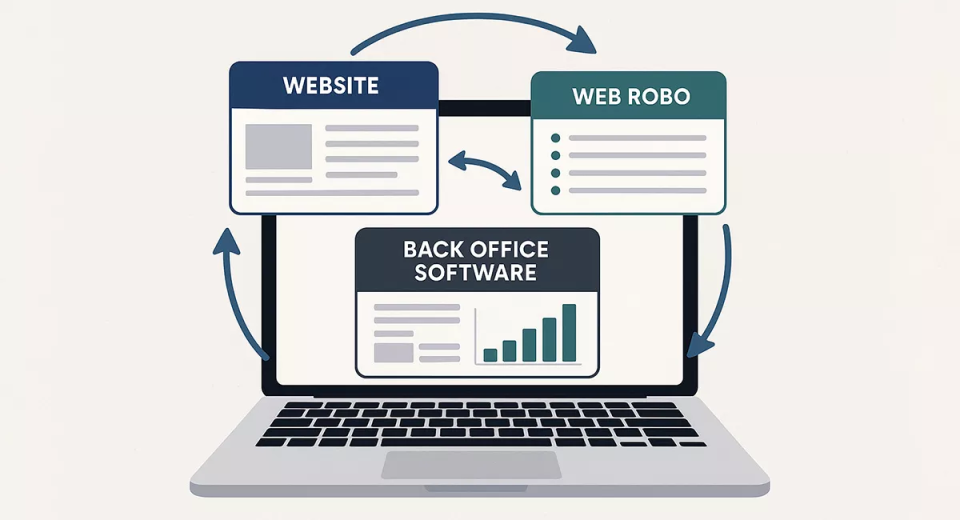
The Shift to Back Office Software-Driven Distribution
India’s leading MFDs are not just growing because of market performance. They are growing because they use structured systems. They manage:
â— clients
â— transactions
â— reporting
â— follow-ups
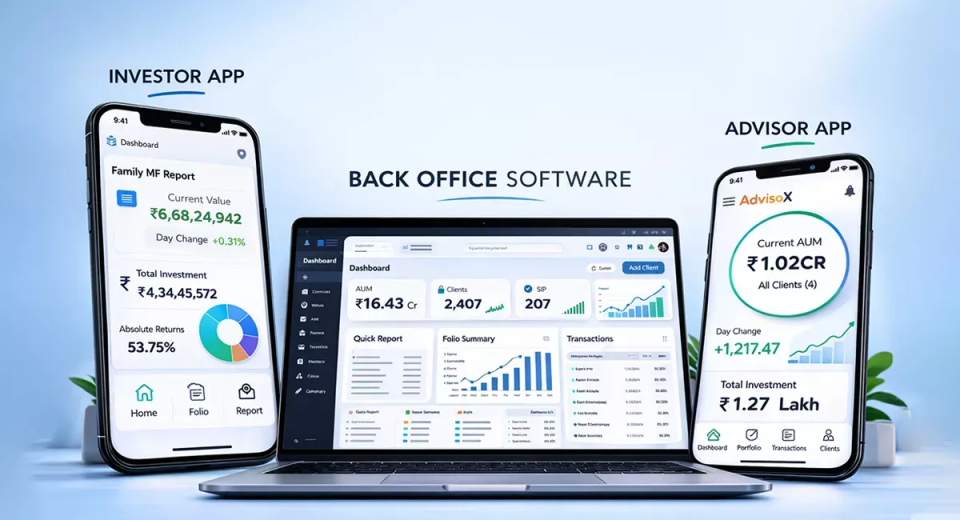
through a centralized platform. This is where the best mutual fund software in India becomes essential.
Managing Large Retail Client Bases Efficiently
With increasing retail participation, MFDs need better ways to manage:
â— client data
â— portfolios
â— investment activity
Software helps by:
â— organizing all client information in one place
â— making portfolio access quick and easy
â— helping track activity without manual effort
This improves both efficiency and control.
Handling SIP Volume at Scale
Retail growth is largely driven by SIPs. But managing SIPs at scale involves:
â— tracking active SIPs
â— identifying closed SIPs
â— monitoring SIP expiry
â— ensuring continuity
With the best mutual funds software, MFDs can:
â— view SIP status clearly
â— identify gaps quickly
â— take timely action
This helps maintain consistent investment flow.
Faster and Better Client Servicing
Retail investors expect quick and clear responses.
Common queries include:
â— What is my portfolio value?
â— What are my returns?
â— What should I do next?
With MF software, MFDs can:
â— generate reports instantly
â— access updated data quickly
â— respond with confidence
This improves overall client experience.
Track Important Events and Follow-Ups
With a growing client base, remembering every important date is not practical. These include:
â— SIP expiry
â— maturity dates
â— renewals
â— follow-up reminders
An event calendar inside the software helps MFDs:
â— stay updated
â— receive reminders
â— act at the right time
This ensures no opportunity is missed.
Better Insights for Better Decisions
As business grows, decision-making becomes more complex.
MFDs need to understand:
â— where AUM is coming from
â— which clients are active
â— how portfolios are performing
Software provides:
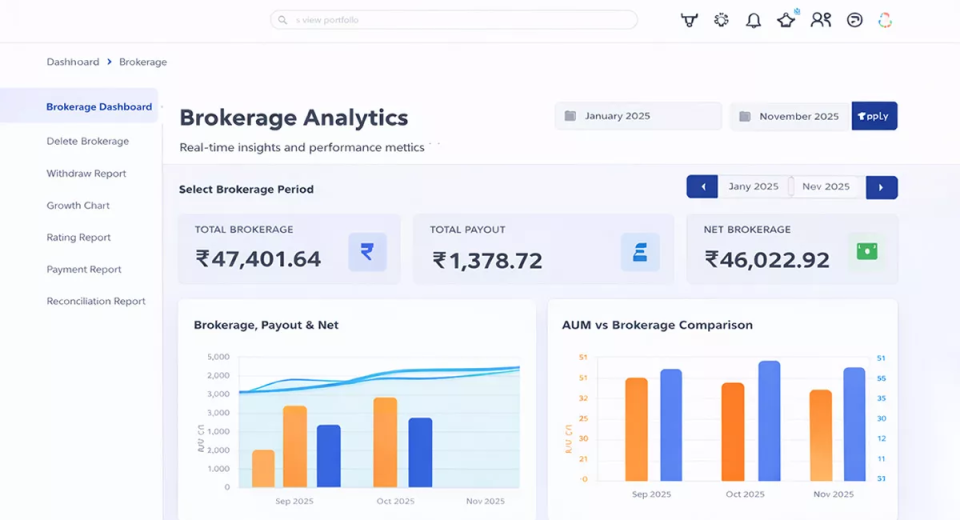
â— AUM insights
â— client-wise analysis
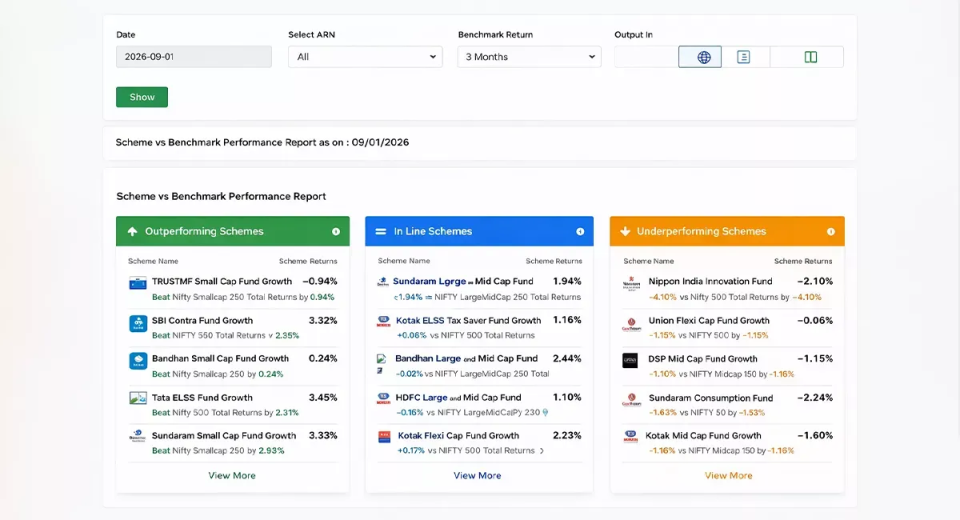
â— performance reports
This helps in making better, data-driven decisions.
Managing Teams and Scaling Operations
Many MFDs expand their business through:
â— branches
â— relationship managers
â— sub-brokers
Software helps manage this structure through:
â— hierarchy management
â— role-based access
â— centralized tracking
This makes scaling more structured and manageable.
Why This Matters Now More Than Ever
Retail participation is not slowing down. More investors are entering the market, more SIPs are being registered, more portfolios are being created. This means more opportunities, but also more responsibility. Without the right tools, growth can become difficult to manage.
The Role of the MF Software Today
Today, portfolio management software is no longer just a tool.
It has become:
â— a business management system
â— a client servicing platform
â— a growth enabler
It helps MFDs:
â— manage large client bases
â— reduce manual work
â— improve efficiency
â— deliver better service
Final Thoughts
The rise of retail investors is reshaping the mutual fund industry in India. MFDs today are managing more clients, more transactions, and higher expectations than ever before.
Handling this efficiently requires more than experience — it requires the right systems.
That is why adopting the best software is no longer optional. It is essential for MFDs who want to grow, scale, and stay competitive in this evolving landscape.