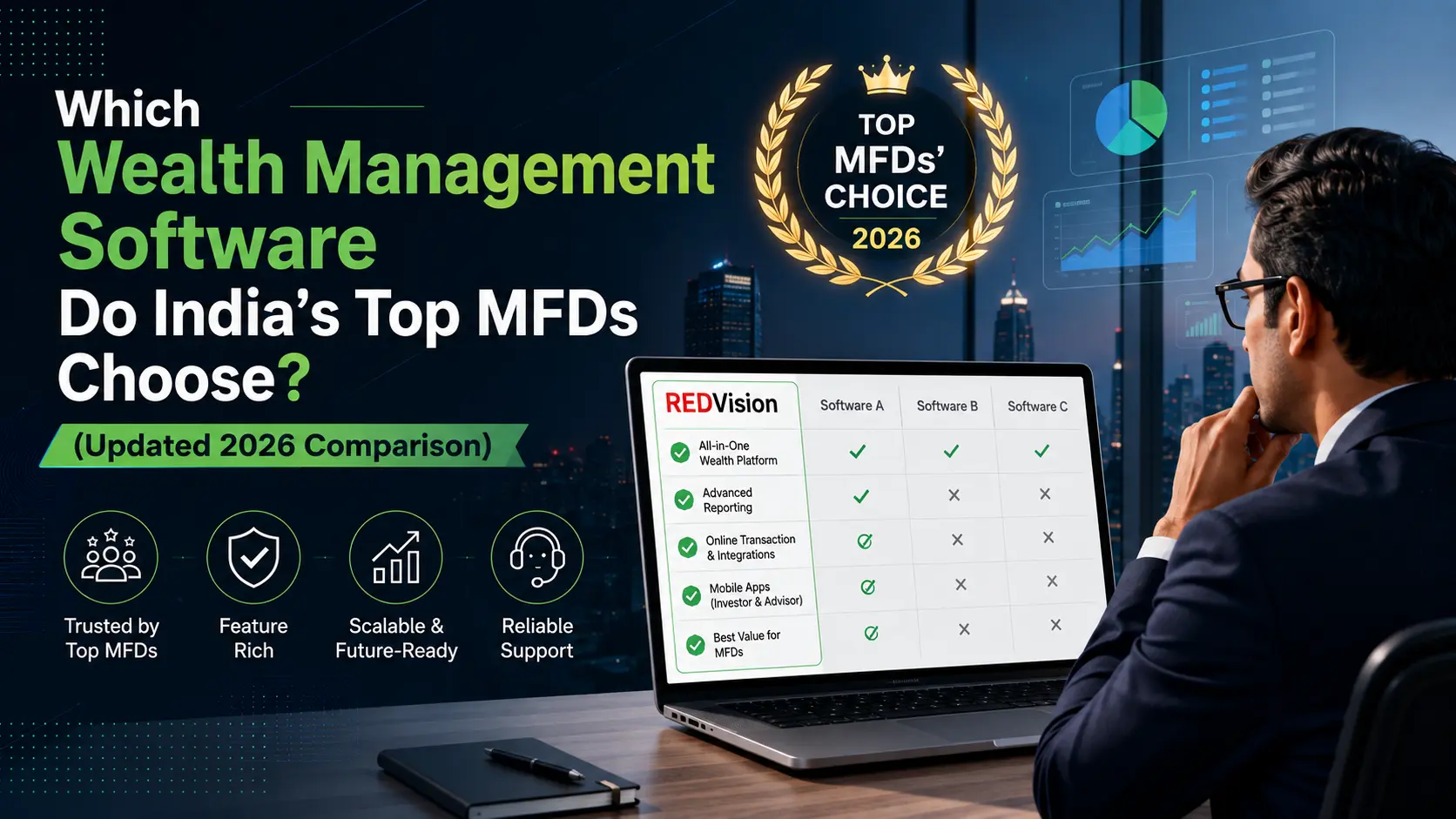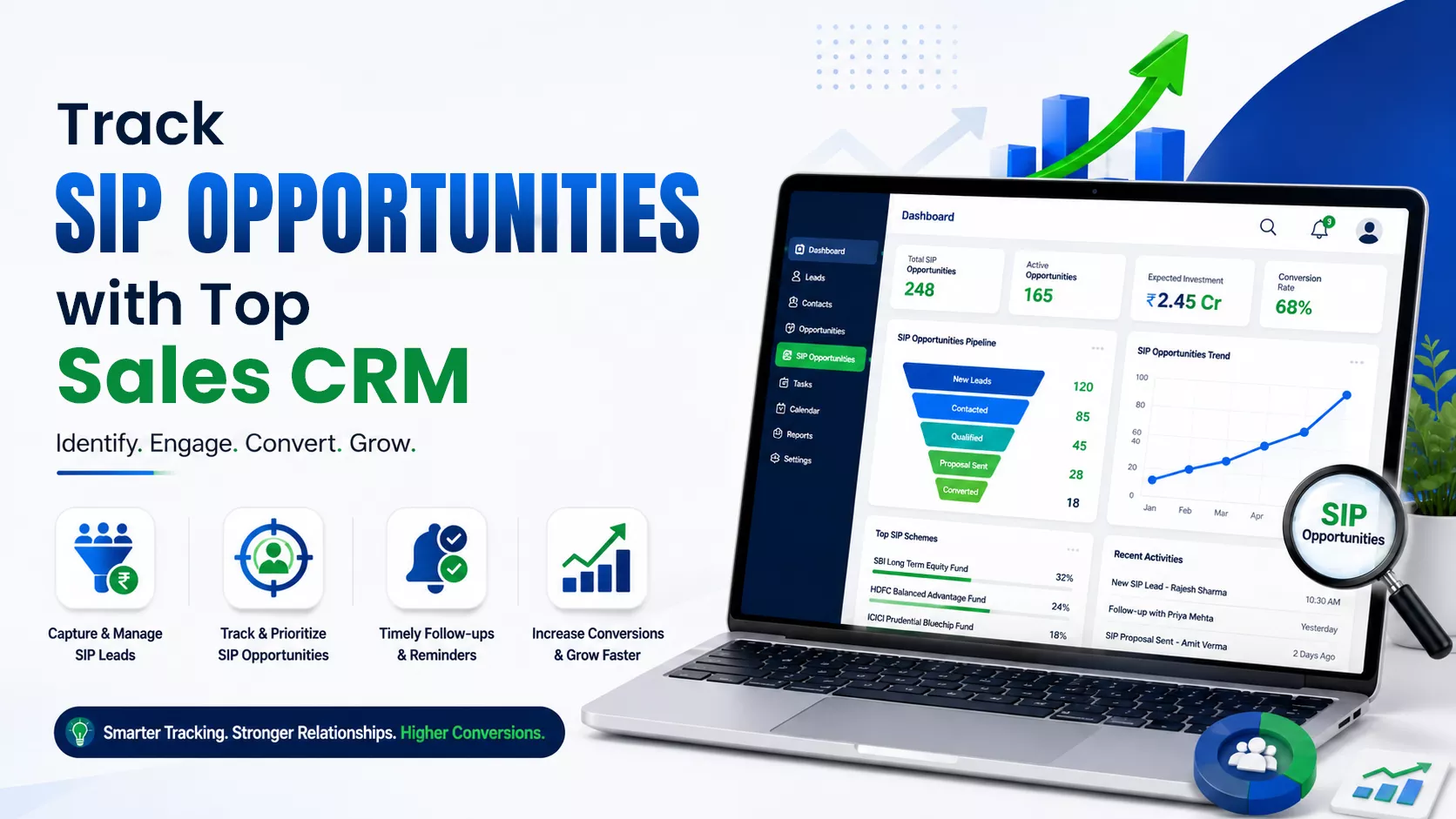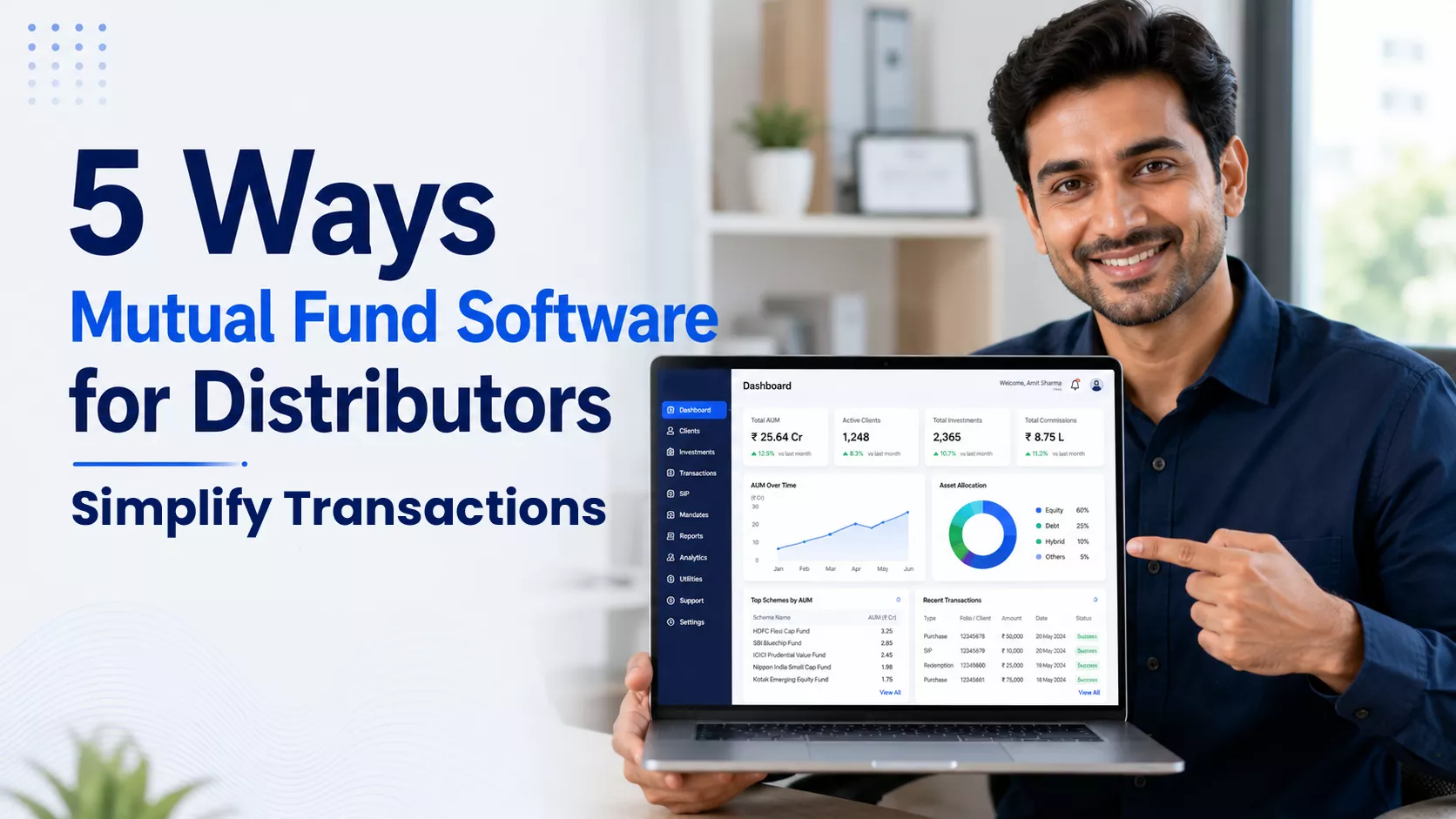



Running a distribution in 2026 is not easy anymore. Investor expectations have changed. Regulatory scrutiny has increased. Competition has intensified. Technology has become the standard.
If you are operating with only a basic back-office system — or worse, Excel and manual processes — you are already at a disadvantage.
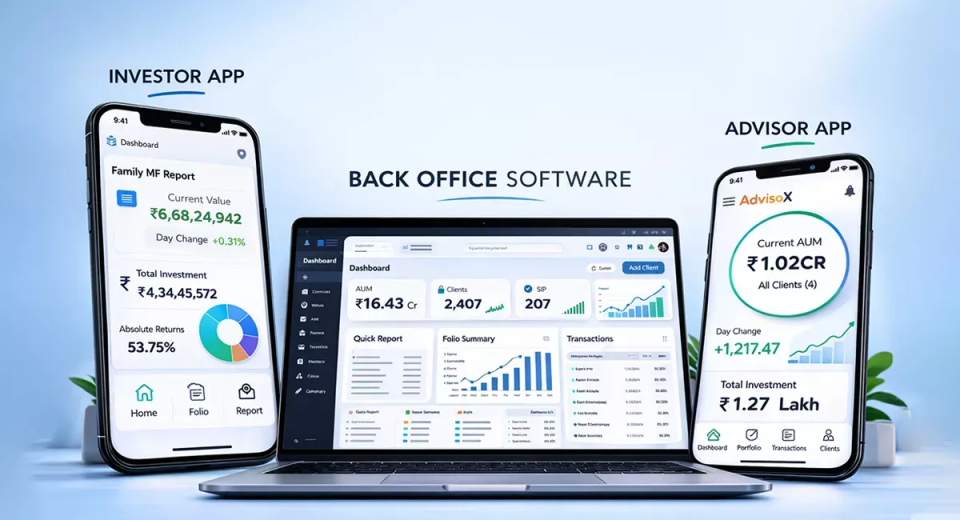
A complete mutual fund software setup today means three integrated components working together:
â— Wealth Management Software
â— Advisor Mobile App
â— Investor App
Let’s understand why this complete ecosystem is essential for MFDs today.
What Does a “Complete Setup” Actually Mean?
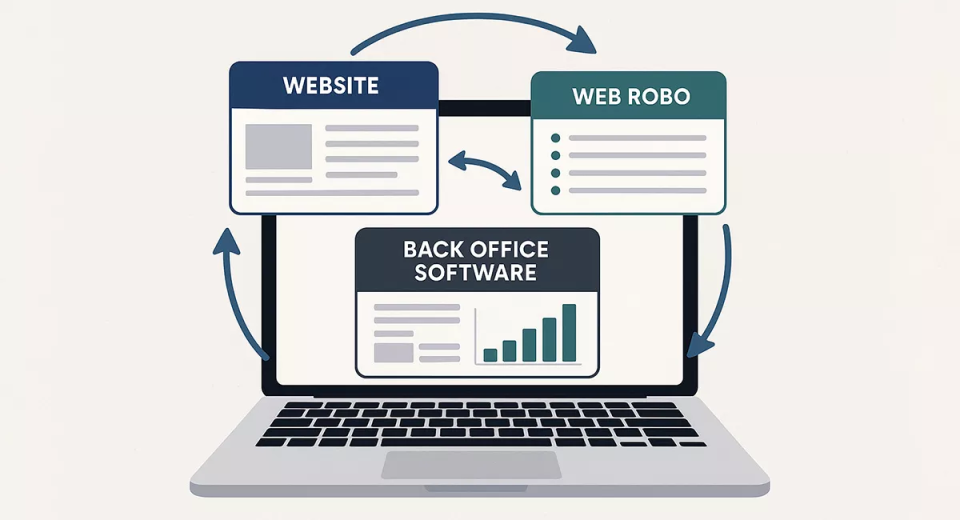
A complete software setup is not just a reporting tool. It is a structured digital ecosystem where:
â— You manage operations centrally
â— Your team accesses controlled data
â— Investors access portfolios independently
â— Transactions happen online
â— Compliance is tracked
â— Analytics are visible
When these components are connected, your business becomes scalable and efficient.
MF Software – The Operational Core
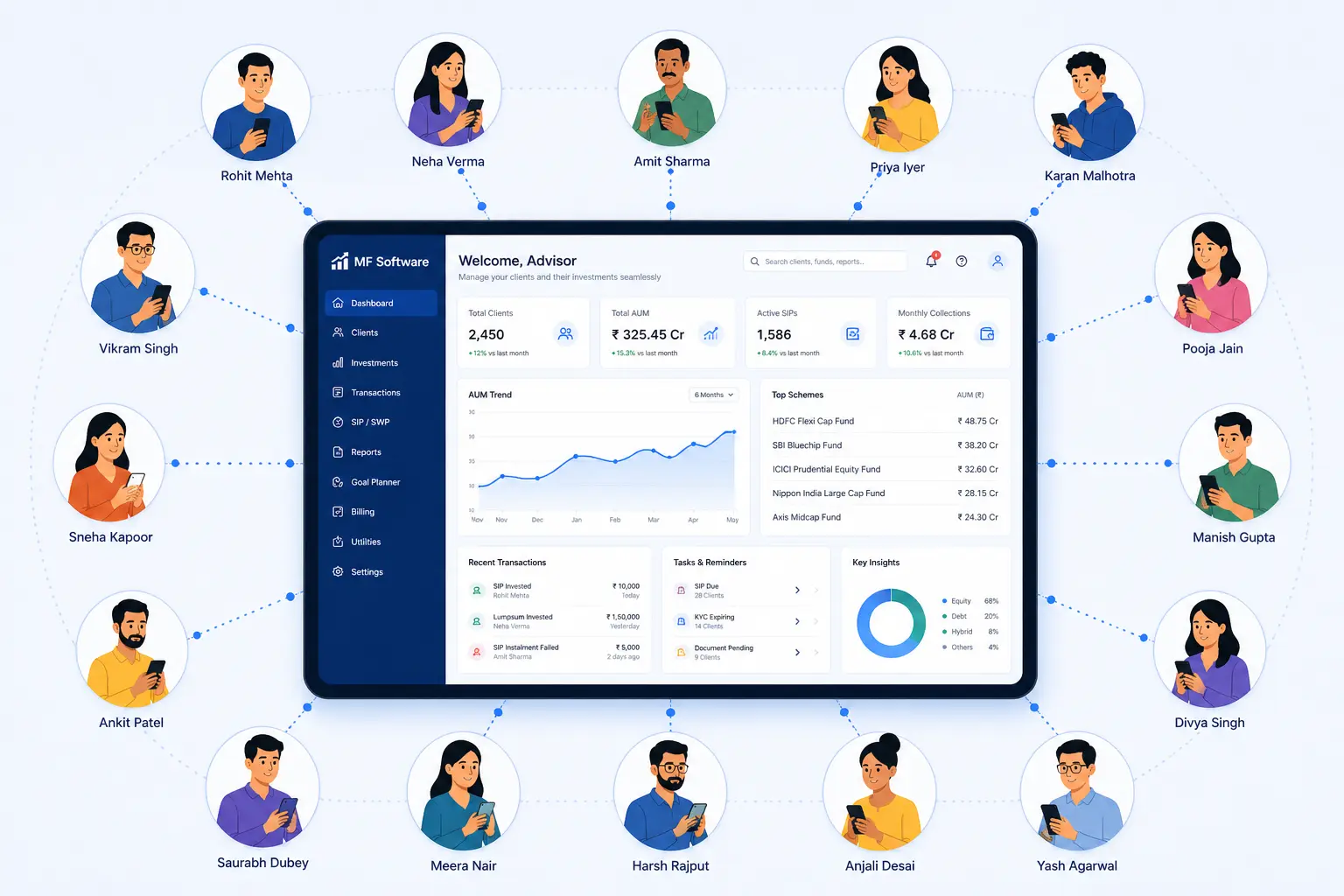
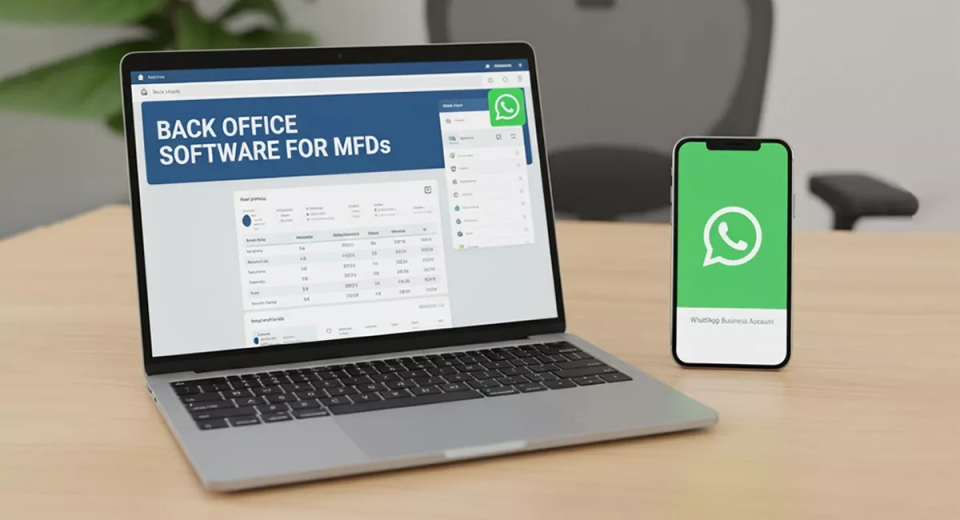
The Best Mutual Fund Software for IFA in India is the foundation of your practice. This is where you manage:
â— Client onboarding
â— KYC tracking
â— Transactions through NSE/BSE/MFU
â— SIP, STP, SWP execution
â— AUM reports
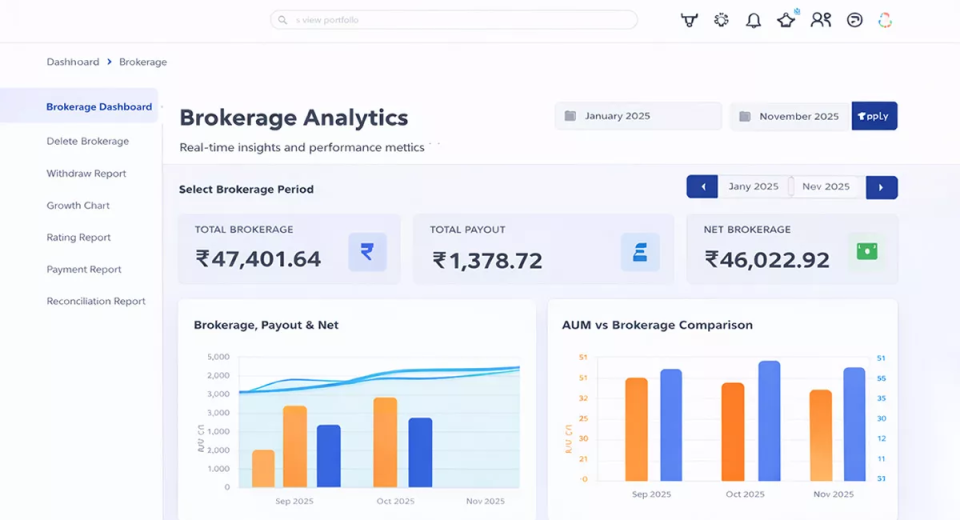
â— Brokerage analytics
â— Compliance tracking
â— Sub-broker management
â— Research tools
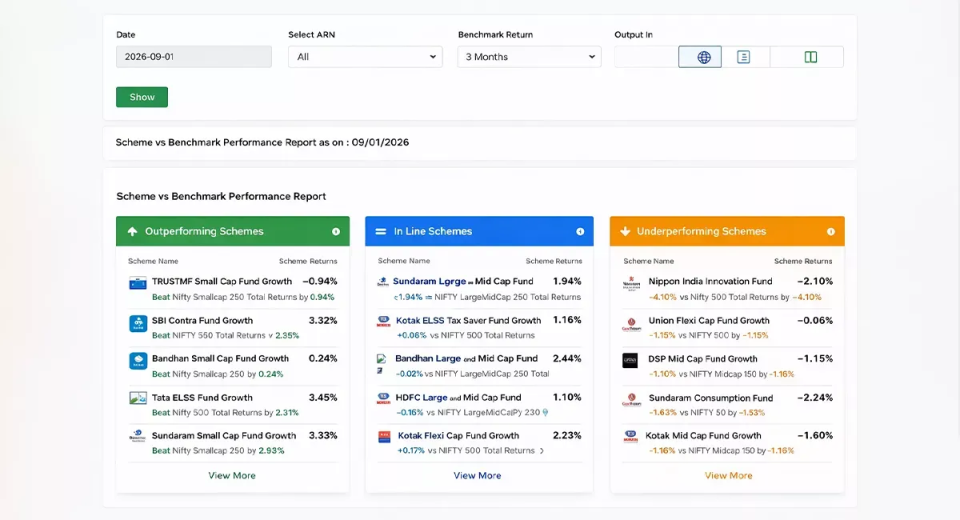
â— Portfolio comparison
â— Benchmark analysis
â— Non-compliance reports
In 2026, the back office must be capable of:
â— Handling high transaction volumes
â— Supporting multi-asset tracking
â— Providing real-time reporting
â— Enabling secure role-based access
â— Supporting bulk orders
â— Offering detailed analytics
Without a strong back office system, everything else becomes unstable. This is your command center.
Advisor Mobile App – Control on the Move
In 2026, mobility is not optional. As an MFD, you are:
â— In client meetings
â— Traveling
â— Handling urgent calls
â— Responding during market volatility
You cannot always sit at your desktop. An Advisor Mobile App allows you to:
â— Onboard new clients
â— Register investors on NSE / BSE
â— Complete KYC Verification
â— Manage investor logins
â— Assess risk profiles
â— Use research tools
â— Execute mutual fund transactions (NSE/ BSE + MFU)
â— Review investor portfolios
â— Compare Funds
â— Upload CAS
â— Check recent transactions
â— Add banners
â— Download RTA SOA
â— & Share reports instantly
This improves responsiveness. Faster responses increase investor confidence. It also improves internal efficiency — especially if you manage a team.
In short, the advisor app keeps you connected to your business at all times.
Investor App – Client Transparency & Engagement
In 2026, investors expect access. They do not want to:
â— Call for every update
â— Wait for monthly statements
â— Depend on PDFs
An Investor App allows clients to:
â— View live portfolio
â— Check valuation
â— Track SIPs
â— Download capital gain reports
â— View transaction history
â— Monitor asset allocation
â— Access statements
â— Place transactions (if enabled)
When investors have direct access:
â— Queries reduce
â— Trust improves
â— Transparency increases
â— Engagement becomes continuous
It also strengthens your brand presence. Clients see your ecosystem — not just your WhatsApp number.
Why Having Only One Component Is Not Enough
Many MFDs operate with:
â— Only back office software
â— No investor app
â— No advisor mobile access
This creates an imbalance. If you have a back office but no investor app, clients depend on you for every report. If you have an investor app but a weak back office, operational efficiency suffers.
If you lack mobility, responsiveness declines. In 2026, integration matters more than isolated tools.
How a Complete Setup Supports Growth
Let’s look at practical outcomes.
1. Scalability
When onboarding, transactions, reporting, and client access are digital: You can handle more clients without increasing manpower proportionally.
2. Compliance Strength
Non-compliance reports, KYC tracking, nominee status, and documentation become structured. You reduce risk and stay audit-ready.
3. Better Client Retention
When clients have:
â— Transparent reporting
â— Easy access
â— Structured communication
They are less likely to move elsewhere.
4. Revenue Visibility
Brokerage analytics dashboards show:
â— Income trends
â— Sub-broker payouts
â— Net earnings
â— AUM growth
This helps you manage your business like a business.
5. Faster Decision-Making
With portfolio comparison tools, benchmark reports, SIP comparison tools, and analytics built into the system: You make decisions based on data — not assumptions.
Why 2026 is Different
Three major shifts define 2026:
Regulatory Pressure
Compliance expectations are stricter.
Investor Awareness
Clients compare advisors digitally.
Technology Adoption
Most serious MFDs already operate on integrated platforms. If you delay digital transformation, the gap widens.
The Competitive Advantage of a Complete Setup
When you operate with:
â— Structured back office
â— Mobility through advisor app
â— Investor-facing app
You create:
â— Operational efficiency
â— Professional perception
â— Client transparency
â— Scalable growth
This combination builds long-term sustainability.
Final Thoughts
A complete software setup is essential for MFDs in 2026 because distribution today is no longer transactional. It is data-driven, compliance-focused, client-experience-led, scalable, and technology-backed.
Back office software gives you control. Advisor app gives you mobility. Investor app gives your clients transparency. Together, they create a structured ecosystem. And in 2026, structure is what separates growing MFD practices from struggling ones.